Imagine walking through a vibrant Mexican market in late October. The air smells of marigolds, candles flicker, and a sweet, buttery aroma fills your senses. You follow the scent and find a loaf — round, soft, and dusted with sugar — Pan de Muerto, the “bread of the dead.”
You hold it gently, feeling its weight — both literal and spiritual. For many, it’s not just bread. It’s a sacred symbol of love, memory, and eternal connection with those who’ve passed on.
The spiritual meaning of seeing a Pan de Muerto goes beyond tradition. It’s a message — a whisper from the spirit world reminding us that death is not an end but a continuation. Each bite of this bread carries centuries of faith, love, and remembrance.
Whether you see it in a dream, at an altar, or during Día de los Muertos (Day of the Dead), Pan de Muerto invites you to reconnect — not with sadness, but with soulful gratitude and light.
Let’s explore what this bread truly means, why it matters, and how it connects us spiritually and symbolically.
Pan de Muerto Recipe
To understand the spiritual meaning of Pan de Muerto, we must begin with how it’s made — because every ingredient tells a story.
Pan de Muerto is a sweet, enriched bread made during Día de los Muertos celebrations in Mexico. The traditional recipe includes:
- Flour
- Eggs
- Butter
- Milk
- Yeast
- Orange blossom water or zest
- Sugar
The process of making it is deeply spiritual. Families often bake the bread together, infusing the dough with love, laughter, and remembrance.
As the bread rises, it symbolizes the rise of the soul beyond physical life. The orange blossom water represents purity and eternal life, while sugar mirrors the sweetness of memories shared with loved ones.
In spiritual terms, baking Pan de Muerto is an act of devotion. It connects generations — those living and those departed — through the shared energy of nourishment and remembrance.
Why Is Pan de Muerto Important?
Pan de Muerto isn’t just a dessert; it’s a sacred offering. It holds deep emotional and symbolic importance in Mexican culture and spirituality.
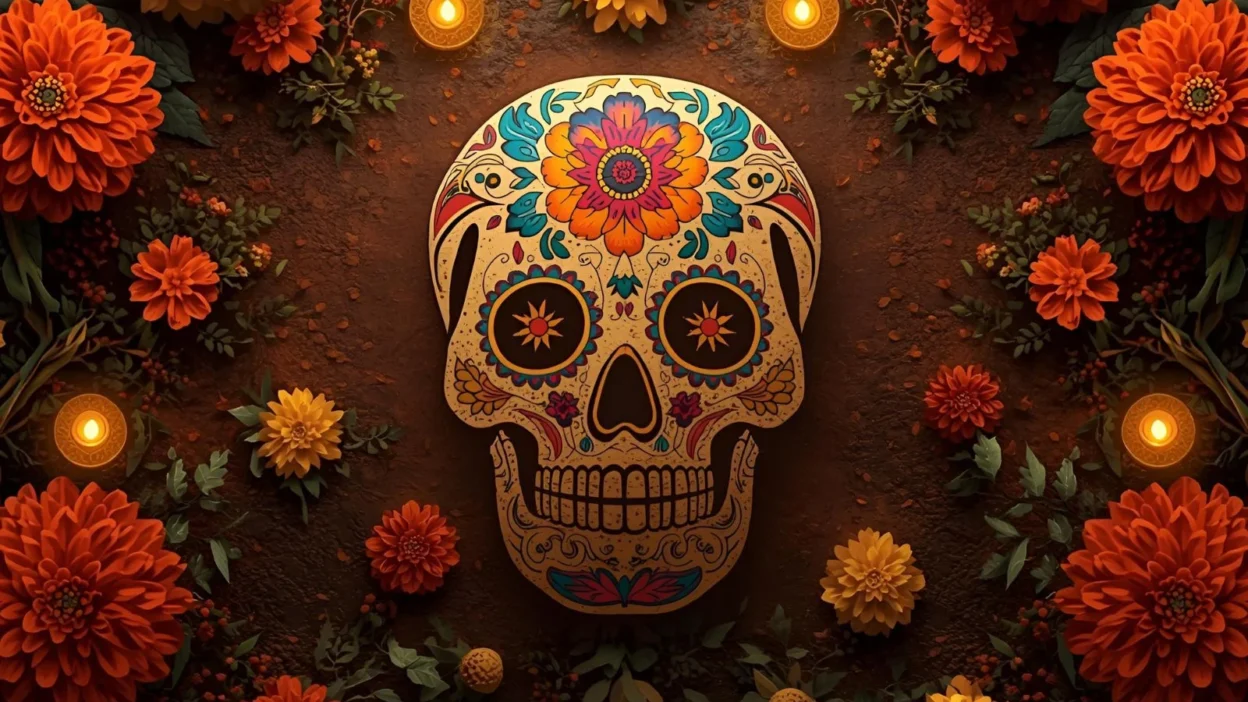
During Día de los Muertos, families set up altars (ofrendas) to honor deceased loved ones. Pan de Muerto is placed alongside candles, marigolds, photos, and favorite foods of the departed.
Its presence invites the spirits to return home — not to haunt, but to celebrate. The bread becomes a bridge between worlds, allowing love to flow freely across the veil of life and death.
Spiritually, Pan de Muerto reminds us of three eternal truths:
- Love never dies.
- Memory is sacred.
- Death is transformation, not an end.
By honoring the dead with bread, we acknowledge that their energy still nourishes us — just as bread sustains our bodies, their memory sustains our souls.
Pan de Muerto Description
Visually, Pan de Muerto is beautiful and symbolic.
It’s typically round, representing the circle of life. On top are bone-shaped strips of dough, symbolizing the bones of the departed. In the center, a small round knob represents a skull or tear of sorrow.
The bread is often dusted with sugar or sesame seeds, and sometimes flavored with orange or anise. Each element carries meaning:
- Round shape: The endless cycle of life, death, and rebirth.
- Crossbones: The connection to ancestors and the path they walked.
- Sugar dusting: The sweetness of remembering with love.
When you see Pan de Muerto, spiritually, it’s a sign to reflect on your ancestors. It reminds you that you carry their stories, courage, and love within you — and that your life is part of a greater circle.
When Is Pan de Muerto Eaten?
Pan de Muerto is eaten from late October to early November, particularly on November 1st and 2nd, during Día de los Muertos.
Spiritually, these are days when the veil between the physical and spiritual worlds is thinnest. Eating Pan de Muerto during this time is not just tradition — it’s communion with the unseen.
Families gather at cemeteries, decorate graves, share food, and eat this bread while telling stories of the departed.
Every bite becomes a prayer — a way to honor, remember, and celebrate the souls who guide us from beyond.
Pan de Muertos in English
In English, Pan de Muerto translates to “Bread of the Dead.”
But don’t let the name mislead you — it’s not about fear or sorrow. The English translation captures only part of its essence. Spiritually, it’s the bread of eternal life, symbolizing how death nourishes new beginnings.
It reflects the same theme found in many spiritual traditions — that death is not final, and that love transcends time and physical form.
So, when someone says “Bread of the Dead,” think instead: “Bread of Remembrance and Love.”
What Is Pan de Muerto Often Eaten With?
Pan de Muerto is often enjoyed with hot chocolate, coffee, or atole (a warm corn-based drink).
On the spiritual side, these pairings represent comfort and warmth from the heart. Drinking something warm alongside the bread invites the spirit of the loved one into a space of love and togetherness.
Families often share it during quiet conversations or moments of reflection. The combination of the sweet bread and warm drink symbolizes the merging of past and present, life and afterlife.
It’s a ritual of unity — souls sitting side by side, unseen but deeply felt.
What Does Pan de Muerto Taste Like?
The taste of Pan de Muerto is soft, buttery, and slightly citrusy, often with hints of anise or orange zest. The sugar coating adds a pleasant crunch.
But spiritually, its taste goes beyond flavor — it’s the taste of memory.
Every bite is meant to comfort the soul. The sweetness reminds us to celebrate life instead of mourning death. The orange notes lift the spirit, symbolizing light, rebirth, and the sun — a common spiritual symbol of eternity.
When you taste it with intention, it’s like tasting love made edible.
Pan de Muerto Ingredients
Each ingredient in Pan de Muerto is a symbol:
- Flour: The body — the physical form.
- Yeast: The spirit — rising beyond limitation.
- Eggs: Creation and fertility — the essence of new life.
- Butter: Love and nurturing.
- Sugar: Joy and sweet remembrance.
- Orange blossom water: Purity, eternal light, and peace.
Together, these ingredients tell the story of human life — born from the earth, rising with love, and returning to the source.
The spiritual meaning of Pan de Muerto is baked right into its recipe: transformation, devotion, and eternal connection.
Pan de Muerto Symbolism Catholic
In Catholic tradition, Pan de Muerto carries layered symbolism. It merges indigenous beliefs with Catholic faith, creating a beautiful spiritual harmony.
- The bread represents the Body of Christ, aligning with the idea of communion.
- The bones on top symbolize the saints and martyrs who have gone before us.
- The round shape reflects the Eucharist, the unity of all souls under God.
When Catholics place Pan de Muerto on an altar, it’s both an offering to ancestors and an act of faith in eternal life through Christ.
Spiritually, this bread bridges not just life and death, but also cultures and faiths. It teaches that love is the ultimate religion — one that never dies.
Real-Life Short Scenarios
1. Maria’s Midnight Kitchen
Maria, a young woman grieving her grandmother, bakes Pan de Muerto for the first time. As she kneads the dough, tears mix with laughter as memories flood back. When the bread rises, she feels a warmth — her grandmother’s presence in the room. The bread becomes her way of saying, “I remember you.”
2. Javier’s Dream
Javier dreams of a glowing Pan de Muerto on his family altar. He wakes up feeling comforted, realizing his late father was reminding him not to fear change. Spiritually, the bread in his dream symbolizes rebirth and reassurance from the spirit world.
3. A Family in Los Angeles
A Mexican-American family gathers every November to bake Pan de Muerto. Their children, born in the U.S., ask why they do it. Their grandmother smiles and says, “Because love crosses every border.” In that moment, they understand the spiritual power of tradition.
FAQs
1. What does seeing Pan de Muerto mean spiritually?
Seeing Pan de Muerto is a reminder of eternal connection — that loved ones are near, guiding and blessing you.
2. Can non-Mexicans eat or make Pan de Muerto?
Absolutely. Anyone can honor its spiritual meaning — remembrance, love, and gratitude transcend culture.
3. What if I dream about Pan de Muerto?
Dreaming of Pan de Muerto often symbolizes reunion with a departed soul or spiritual renewal after grief.
4. Is Pan de Muerto only about death?
No, it’s more about life after death — celebrating the continuity of the soul and the love that never ends.
5. Why do Catholics and Indigenous traditions both honor it?
Because it embodies universal truths — that we are all connected through love, faith, and remembrance.
Conclusion: Love That Never Grows Cold
The spiritual meaning of seeing a Pan de Muerto isn’t just about bread — it’s about the living spirit of remembrance.
It reminds us to cherish every soul that touched our lives and to live in gratitude. In every crumb lies a story, in every sugar dusting — a tear of joy, and in every bite — a bridge to eternity.
When you see or taste Pan de Muerto, pause. Close your eyes. Whisper a thank you to the unseen hands that shaped your life.