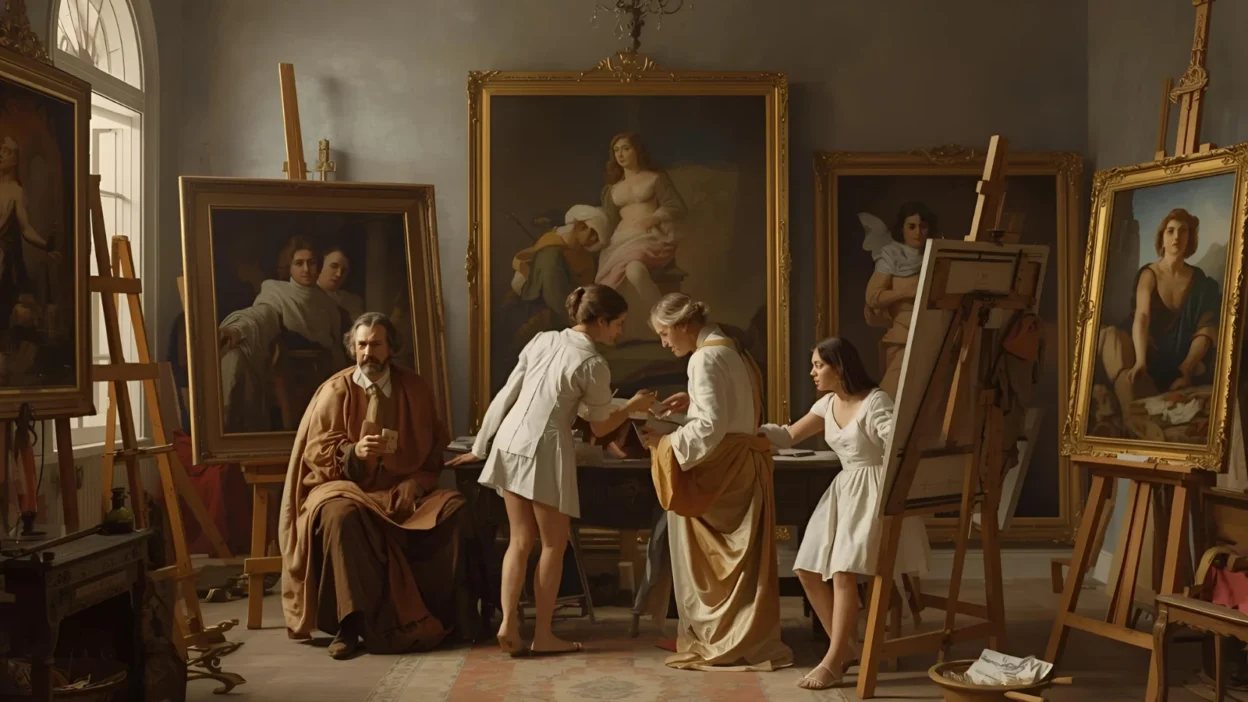
Have you ever stood in front of a painting and felt something stir inside your heart—an emotion you couldn’t quite explain? That’s the hidden power of symbolism artists. They don’t just paint or draw; they weave mystical meanings, emotional depth, and spiritual truths into every brushstroke. Symbolism in art invites us to look beyond what the eye sees and connect with what the soul feels.
People search for the spiritual meaning of seeing symbolism artists because deep inside, they want to uncover the mystery: What is the artist really saying? Why does this piece move me? Is there a hidden message meant for me?
This article will explore symbolism in art and its spiritual meaning. From famous symbolism artists like Gustave Moreau and Odilon Redon, to modern symbolism artists who carry the tradition forward, you’ll discover how symbols in paintings act as guides for our own emotional and spiritual journey.
So, if you’ve ever been captivated by a painting filled with hidden signs, or felt like an artist’s work was speaking directly to your soul, this guide will help you understand why.
Symbolism Art Examples
- A rose in a painting often represents love and purity, but in a darker setting, it can symbolize fragility or death.
- A skull is a common symbol of mortality, reminding us of the fleeting nature of life.
- A candle glowing in the dark can symbolize hope, divine guidance, or inner light.
- Birds, especially doves, often stand for peace and freedom.
- Keys painted in art symbolize hidden knowledge or access to secrets.
- Mirrors in paintings can symbolize self-reflection or vanity.
- The color red often means passion, power, or danger, depending on the context.
- A serpent represents transformation, danger, or wisdom.
- The moon often carries feminine energy, mystery, and cycles of life.
- Trees in art symbolize growth, stability, and spiritual grounding.
These examples remind us that art is never just decoration—it’s a language of the soul.
Contemporary Artists Who Use Symbolism
- Anselm Kiefer uses ash, straw, and lead to symbolize memory, history, and transformation.
- Damien Hirst employs skulls and butterflies to express life, death, and eternity.
- Yayoi Kusama uses dots as a symbol of infinity and self-obliteration.
- Kara Walker uses silhouettes to symbolize race, history, and power dynamics.
- Banksy employs satire and stencils to symbolize freedom, rebellion, and truth.
- Ai Weiwei uses broken or reassembled objects to symbolize resilience and resistance.
- Shirin Neshat blends calligraphy and photography to symbolize identity and culture.
- Cai Guo-Qiang uses gunpowder to symbolize chaos, creation, and destruction.
- Marina Abramović uses her body as a symbol of pain, endurance, and human connection.
- Tracey Emin uses raw confessional art to symbolize vulnerability and emotional truth.
Modern symbolism proves that the language of signs is alive and evolving.
Famous Symbolism Artists
- Gustave Moreau – Known for mystical, dreamlike paintings.
- Odilon Redon – His works used flowers, eyes, and faces as deep symbols.
- Fernand Khnopff – Used women as symbolic muses of mystery and power.
- Pierre Puvis de Chavannes – Blended mythology and allegory.
- Franz von Stuck – Painted symbolic depictions of sin and temptation.
- Arnold Böcklin – Known for symbolic landscapes full of mood.
- Edvard Munch – Famous for The Scream, symbolizing fear and existential anxiety.
- Jean Delville – Explored spiritual mysticism in symbolism art.
- Carlos Schwabe – Painted angels and allegories of good versus evil.
- James Ensor – Used masks to symbolize hidden identities.
These artists used their canvases as portals into spiritual truth.
Symbolism Art Movement
The Symbolism art movement began in the late 19th century as a response to realism. Instead of copying life, symbolism artists wanted to capture emotions, dreams, and spirituality. This movement spread across Europe, influencing poetry, literature, and painting.
The core belief was that the physical world is only half the story; hidden meanings lie beneath. Symbolism became a way to connect human emotion with divine energy, bridging reality and imagination.
Symbolism Paintings
- The Scream by Edvard Munch – Fear and existential dread.
- The Apparition by Gustave Moreau – Spiritual visions.
- The Cyclops by Odilon Redon – Mythology and loneliness.
- Isle of the Dead by Arnold Böcklin – Death and eternity.
- Hope by George Frederic Watts – Light in darkness.
- Orpheus by Jean Delville – Love and tragedy.
- Self-Portrait with Masks by James Ensor – Hidden identities.
- Silence by Odilon Redon – Mystical peace.
- Sin by Franz von Stuck – Temptation and shadow.
- The Sacred Grove by Pierre Puvis de Chavannes – Spiritual refuge.
These paintings are like visual prayers—inviting us into meditation.
Symbolism Artists Paintings
When you look at symbolism artists’ paintings, they speak a spiritual language:
- They whisper truths that words cannot express.
- They mirror your soul’s hidden emotions.
- They guide you toward healing and clarity.
- They connect you with divine archetypes.
- They open doors to the subconscious mind.
Each painting is more than color—it is an invitation to spiritual reflection.
List of Symbolism Artists
Here’s a short list of important symbolism artists for quick reference:
- Gustave Moreau
- Odilon Redon
- Franz von Stuck
- Edvard Munch
- Carlos Schwabe
- Fernand Khnopff
- Pierre Puvis de Chavannes
- Jean Delville
- Arnold Böcklin
- James Ensor
This list bridges history with modern art enthusiasts seeking spiritual symbolism.
Modern Symbolism Artists
Today’s symbolism artists blend old techniques with modern issues:
- Banksy – Symbol of rebellion.
- Yayoi Kusama – Symbol of infinity.
- Damien Hirst – Symbol of life and death.
- Anselm Kiefer – Symbol of memory and destruction.
- Shirin Neshat – Symbol of identity.
They carry forward the same mission: to awaken emotions, challenge thoughts, and guide souls.
Real-Life 3 Short Scenarios
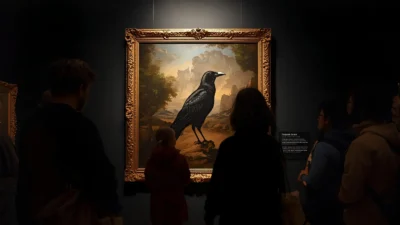
- A woman walked into a gallery feeling lost. She saw a painting of a bird breaking from a cage. She left with hope and the strength to start again.
- A man grieving his father saw a candle painting glowing in darkness. It reminded him of his dad’s light still shining spiritually.
- A student stressed about the future found comfort in a tree painting, reminding her of growth and grounding.
FAQs
1. What does symbolism in art mean spiritually?
It means art carries hidden messages that speak to your soul.
2. Who are the most famous symbolism artists?
Artists like Gustave Moreau, Odilon Redon, and Edvard Munch are well-known.
3. How can I understand symbolism in paintings?
Pay attention to colors, objects, and emotions the painting evokes.
4. Do modern artists still use symbolism?
Yes, contemporary artists like Banksy and Yayoi Kusama carry it forward.
5. Why do symbolism artists feel so powerful spiritually?
Because they bridge human emotions with divine truth, offering healing.
Conclusion: Healing Through Symbolism
The spiritual meaning of seeing symbolism artists lies in the way their work reaches deep into your soul. Their art isn’t just paint on canvas—it’s a mirror of your inner world, a guide toward peace, and a divine message hidden in colors and symbols.
When you stand before a symbolism painting, let it whisper to your spirit. Let it comfort your pain, ignite your hope, and remind you that art is a sacred bridge between the human and the divine.