The tanuki, often referred to as the Japanese raccoon dog, holds a unique and deeply rooted place in Japanese folklore, art, and spiritual symbolism. For centuries, tanuki imagery has appeared in traditional stories, Shinto beliefs, and modern pop culture, representing a fascinating blend of myth and reality. Unlike many symbolic animals that are purely mythical, the tanuki is a real creature whose behaviors inspired exaggerated folklore traits over time. This dual identity makes tanuki symbolism especially rich and culturally significant.
In Japanese tradition, tanuki are commonly associated with good fortune, prosperity, adaptability, mischief, and transformation. Folklore portrays them as shapeshifters capable of using intelligence and humor to navigate challenges, often teaching moral lessons about balance, humility, and cleverness. Today, tanuki statues are frequently seen outside restaurants and shops in Japan, symbolizing financial success and welcoming energy.
From a cultural and anthropological perspective, tanuki symbolism reflects how humans interpret nature through storytelling, values, and social norms. By exploring the historical origins, spiritual meanings, and modern interpretations of the tanuki, we gain a deeper understanding of why this playful creature continues to resonate across generations and cultures worldwide.
Tanuki Statue Meaning
Walk around Japan, and you’ll see tanuki statues everywhere — outside restaurants, temples, and even homes. These cheerful ceramic figures aren’t just decoration; they carry deep symbolic energy.
- Tanuki statues symbolize prosperity and good fortune. They’re believed to attract business success, much like lucky cats (maneki-neko).
- The big belly of the tanuki represents confidence and calm, reminding you to relax even when life feels uncertain.
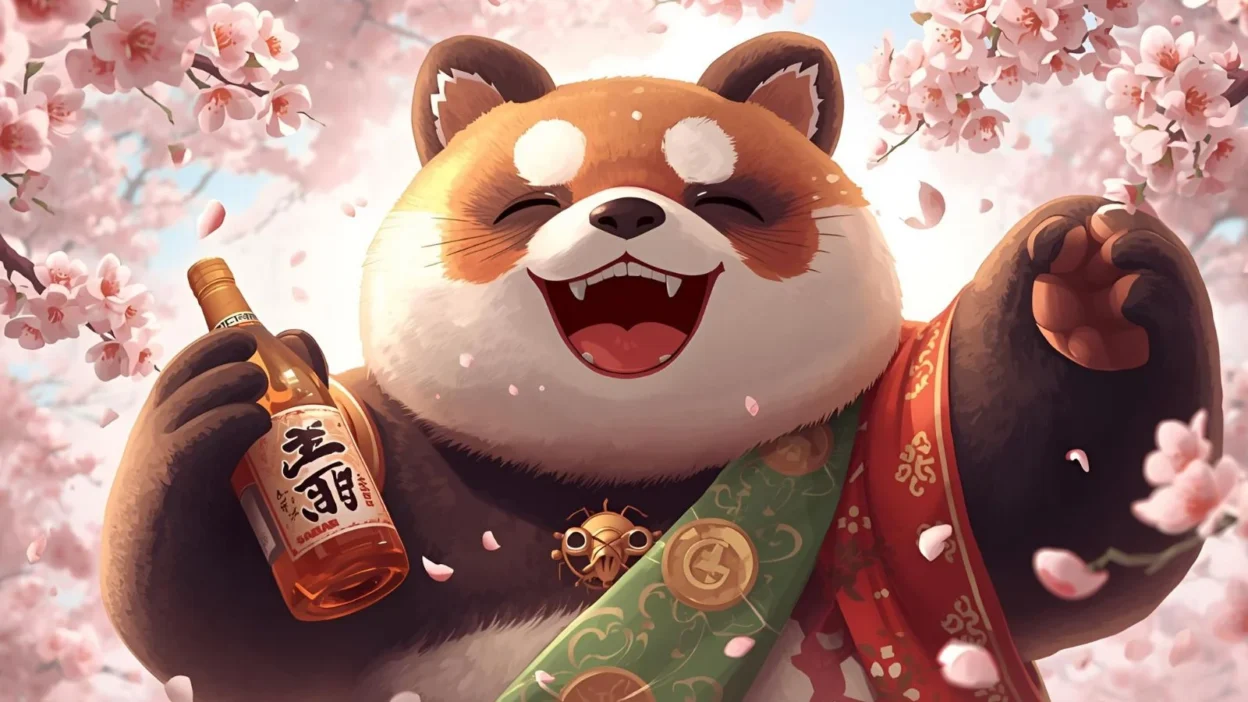
- The sake bottle stands for generosity and joy — sharing life’s pleasures freely.
- The straw hat protects from troubles, symbolizing divine protection and readiness.
- Many tanuki statues carry a promissory note, teaching honesty and awareness of responsibilities.
- The big eyes reflect awareness and clarity — seeing beyond illusions.
- The wide smile embodies optimism, mischief, and positive energy.
- Spiritually, the tanuki statue invites laughter and lightness into your space.
- It’s a reminder that abundance flows best when we live with humor and faith.
- So when you see a tanuki statue, it’s a gentle nudge to balance joy with wisdom.
Tanuki Mythology
In Japanese mythology, the tanuki is one of the country’s most well-known yokai (supernatural creatures). But unlike fearsome demons, the tanuki is a trickster spirit with a kind heart.
- Tanuki legends go back over a thousand years — tales of shape-shifting raccoon dogs that play pranks on travelers.
- These magical beings can transform into humans, monks, or even teapots to teach lessons.
- The core of tanuki mythology is transformation and humor as tools for spiritual growth.
- Folklore says the tanuki changes form to remind humans that reality is never fixed.
- Many stories tell of tanuki using illusions not for harm, but for fun — to open hearts.
- Spiritually, this shows us that life’s “illusions” are part of our awakening.
- In Shinto belief, tanuki energy symbolizes the playful side of nature’s spirits (kami).
- Buddhist monks saw tanuki tales as lessons on ego, deception, and enlightenment.
- The myth of the tanuki teaches us that laughter and light-heartedness can also lead to wisdom.
- To meet a tanuki in dreams or visions is to be asked: Are you taking life too seriously?
Tanuki Yokai
In the world of Japanese yokai, or supernatural entities, the tanuki stands out as the happy trickster.
- Unlike menacing spirits, tanuki yokai are mischievous but benevolent.
- They embody the yin-yang balance between illusion and truth.
- Their powers include shape-shifting, invisibility, and mind tricks.
- Spiritually, they represent the power of adaptation and creative thinking.
- When a tanuki yokai appears, it may be urging you to embrace flexibility.
- Tanuki energy helps you navigate uncertainty with humor instead of fear.
- They also remind you to be aware of self-deception and false appearances.
- In modern energy terms, the tanuki’s aura is both protective and playful.
- Seeing tanuki imagery repeatedly might mean you’re ready to reclaim your joy.
- The spiritual lesson: Even chaos can be playful when seen through awakened eyes.
Tanuki Meaning in Food
Yes, even in Japanese cuisine, the tanuki has made its mark — and it’s not what you’d expect!
- “Tanuki udon” or “tanuki soba” doesn’t contain actual tanuki — it’s noodles topped with crunchy tempura flakes.
- In food symbolism, this represents humility and transformation — turning leftovers into something delicious.
- Spiritually, it reminds us that nothing is wasted, not even our mistakes.
- The dish embodies the tanuki’s playful energy — resourceful and light-hearted.
- Eating tanuki noodles can symbolize enjoying life’s “imperfections.”
- In spiritual tradition, food carries vibration; tanuki dishes carry joy and gratitude.
- It’s a reminder to find abundance in simplicity — to laugh, eat, and celebrate daily.
- The use of the name shows how deeply the tanuki spirit is woven into Japanese culture.
- Even food becomes a symbol of creativity and transformation.
- So the next time you slurp tanuki soba, you’re tasting ancient spiritual humor.
Tanuki Symbolism in Korean Culture
Though tanuki originates from Japan, its spiritual symbolism resonates across East Asia — including Korean folklore.
- In Korean tradition, similar creatures appear, like the dokkaebi (goblin) — playful, powerful tricksters.
- Both symbolize luck, abundance, and protection against negativity.
- The tanuki-like energy in Korean culture represents creative chaos — learning through surprise.
- Spiritually, it aligns with the concept of yin and yang harmony.
- Seeing tanuki symbols in Korean art can signify good fortune and cleverness.
- Both cultures view such beings as teachers of humility and laughter.
- Korean mythic animals often carry the same message: don’t fear the unknown.
- The tanuki spirit in this sense bridges playfulness and divine guidance.
- Spiritually, it’s about embracing paradox — wisdom through humor.
- The shared symbolism shows that laughter truly transcends language.
Tanuki Symbolism in Japanese Culture
Japan is where the tanuki shines brightest — not just as a myth, but as a spiritual guardian.
- In Japanese Shinto belief, tanuki embody earthly joy and spiritual mischief.
- They remind people to balance discipline with laughter.
- Statues at temples and shops invite prosperity and protection.
- Tanuki are considered guardians of abundance, ensuring luck flows freely.
- Spiritually, they teach that play is sacred too.
- Tanuki energy invites us to manifest joy through gratitude.
- Japanese artists portray tanuki as a bridge between reality and illusion.
- Seeing one spiritually means you’re ready to lighten emotional burdens.
- The tanuki’s laughter breaks tension — a sacred medicine in itself.
- In modern Japan, tanuki still teach one timeless truth: joy is a form of enlightenment.
Tanuki Symbolism Tattoo
For those drawn to the tanuki’s symbolism, tattoos offer a meaningful way to carry its spirit.
- A tanuki tattoo symbolizes transformation, humor, and creative energy.
- Many choose it to honor Japanese folklore or playful self-discovery.
- Spiritually, it reflects one’s journey of acceptance and joy.
- Artists depict tanuki with wide smiles, hats, and sake bottles — symbols of good fortune.
- A tattoo of this yokai can remind you to embrace imperfections gracefully.
- For spiritual seekers, it represents trusting the process of life.
- The tanuki tattoo can also protect against negativity through laughter.
- Each inked design carries trickster wisdom — finding truth through humor.
- It’s perfect for those who transform challenges into laughter and growth.
- Ultimately, a tanuki tattoo says: “I walk lightly, I live joyfully, and I see the magic in illusion.”
Real-Life Scenarios: When the Tanuki Spirit Visits
Scenario 1: The Unexpected Lesson
You’re having a stressful day — deadlines, bills, endless noise. Then you spot a tanuki statue outside a café, grinning as if it knows something. You laugh, pause, and realize the message: don’t forget to breathe. The tanuki spirit reminds you to let humor dissolve your tension.
Scenario 2: The Dream Messenger
In a dream, you see a tanuki transforming into light. You wake up curious and refreshed. Spiritually, it means your inner child and intuition are ready to reconnect — guiding you to express yourself freely again.
Scenario 3: The Symbol in the Store
You’re shopping and notice a small tanuki charm. You feel drawn to it for no reason. That’s your sign — the tanuki’s playful energy entering your life, encouraging balance between work and joy.
FAQs
1. What is the spiritual meaning of seeing a tanuki?
It means you’re being called to embrace humor, transformation, and lightheartedness in your spiritual path.
2. Is the tanuki a good or bad spirit?
Neither. It’s a trickster with balance — using humor to teach truth and awaken awareness.
3. What does a tanuki statue mean at restaurants?
It symbolizes good luck, prosperity, and honest business — inviting abundance through laughter.
4. Can a tanuki appear in dreams as a sign?
Yes. Spiritually, it represents transformation, guidance, and the healing power of laughter.
5. What does it mean to connect with tanuki energy?
It means your soul is ready to see through illusions, to heal through joy, and to rediscover playfulness.
Conclusion: Laughter as a Spiritual Path
The spiritual meaning of seeing a tanuki reminds us that not all wisdom comes in solemn silence — sometimes, it arrives with a giggle and a sake cup. This playful spirit invites you to honor your inner joy, to trust life’s twists, and to laugh through uncertainty.
In a world that often forgets to smile, the tanuki stands as a symbol of sacred humor, transformation, and balance. So the next time you spot a tanuki statue or dream of its grinning face, remember: the universe might just be telling you to lighten up — and let joy lead the way.
Discover More Articles About:
- Top Islamic Symbols and Their Deep Spiritual Meanings 2026
- The Hidden Meaning of Clouds: Spiritual, Emotional, and Cultural Symbolism 2026