
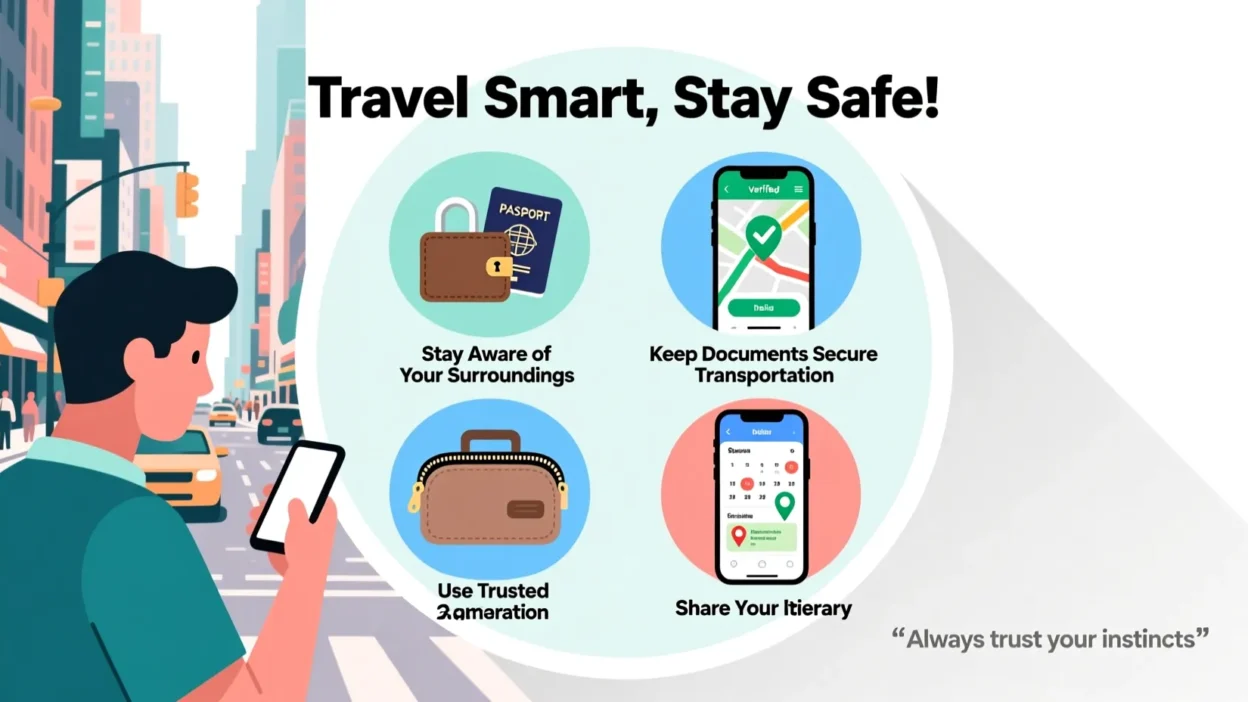
Traveling is exciting. Seeing new places, trying new foods, and meeting new people can be a lot of fun. But travel also comes with some risks. Especially for beginners, it is important to know a few simple safety tips.
Following these tips can make your journey safe and enjoyable. You will feel more confident, relaxed, and ready to explore. This guide shares easy, practical advice that anyone can follow.
1. Plan Before You Go
Planning is the first step to safe travel. Before you leave home, learn about your destination. Check the weather, local customs, and rules. Know which areas are safe and which are risky.
Make a list of emergency contacts, like the local police or your country’s embassy. Keep a copy in your phone and a paper copy in your bag.
Also, plan your route. Know how to get from the airport or bus station to your hotel. This can prevent confusion and keep you away from unsafe areas.
2. Keep Your Belongings Safe
Pickpocketing and lost items are common problems for travelers. Keep your money, passport, and important documents in a safe place. Use a small money belt or a bag you can carry close to your body.
Do not carry large amounts of cash. Use credit or debit cards when possible. Always lock your suitcase or backpack.
Be careful with your phone and camera. Do not leave them unattended in public places. Small actions like these can protect your belongings.
3. Stay Healthy
Health is very important while traveling. Drink safe water and eat food from clean places. Avoid street food that looks risky.
Carry a small first-aid kit. Include medicines for headaches, stomach problems, and allergies. Wash your hands often and use hand sanitizer.
Get any recommended vaccines before your trip. Also, know where the nearest hospital or clinic is in your travel area. Feeling healthy makes your trip much more enjoyable.
4. Be Careful with Transportation
Transportation accidents can happen if you are not careful. Use only licensed taxis or ride services. Avoid traveling alone at night in unknown areas.
When using buses, trains, or planes, keep your belongings close. Do not leave bags in empty seats or under the bus. Always check schedules in advance to avoid rushing.
If you rent a car, drive carefully. Follow local traffic rules and avoid risky roads. Being careful on the move keeps you safe and reduces stress.
5. Trust Your Instincts
Your gut feeling is important. If a place or person feels unsafe, leave immediately. Do not argue or try to prove yourself.
Be polite but firm when saying no to strangers who want to help you. Keep a low profile, and do not show expensive items like jewelry or gadgets in public.
Stay alert in crowded places, like markets, buses, or tourist spots. Small safety habits make a big difference in preventing trouble.
Conclusion
Traveling is a wonderful experience, but safety should always come first. Planning ahead, keeping your belongings safe, staying healthy, being careful with transportation, and trusting your instincts are simple ways to protect yourself.
These tips are easy to follow and work for beginners. By using them, you can enjoy your journey without worry. Remember, safe travel is happy travel.