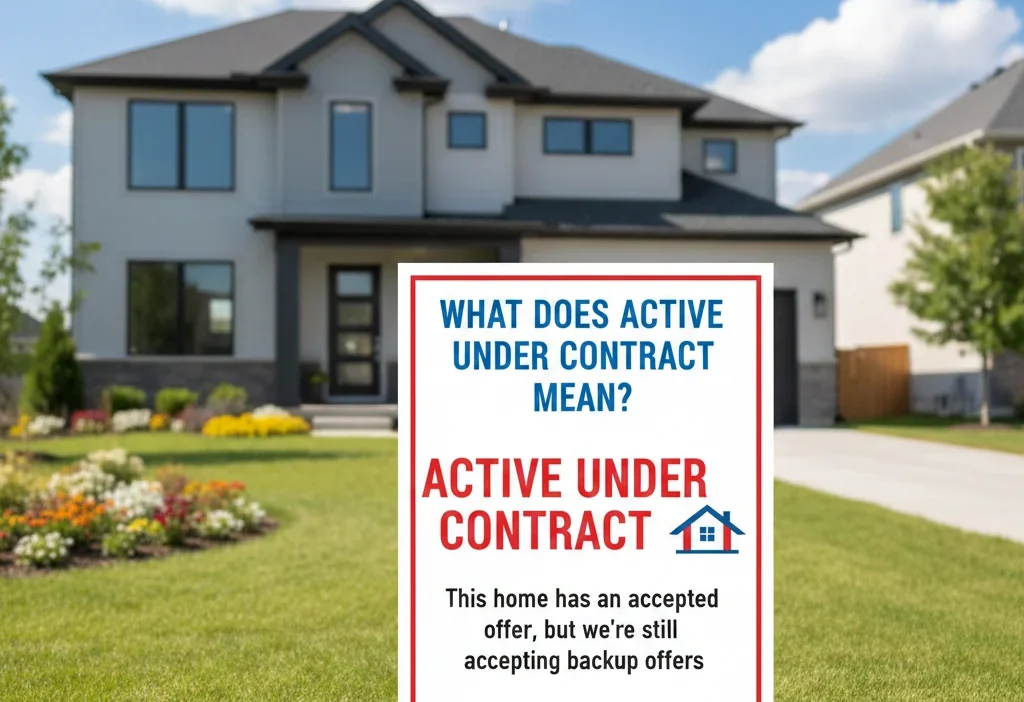
If you’ve ever browsed real estate listings, social media posts, or professional contracts, you might have come across the term “active under contract” and wondered what it really means. This phrase is commonly used in real estate but can appear in other professional or digital contexts.
People search for this term to understand whether it implies that a property is sold, still available, or under legal obligation. Misinterpreting it can lead to confusion, especially when making purchasing, renting, or investment decisions.
Understanding what does active under contract mean is important because it clarifies the status of transactions and commitments. Knowing its implications helps buyers, sellers, and professionals communicate effectively, avoid mistakes, and make informed decisions.
In this guide, we will break down the meaning, origins, uses in different contexts—including chat and social media—and clarify common misconceptions so you’ll never be puzzled by this phrase again.
Meaning & Definition
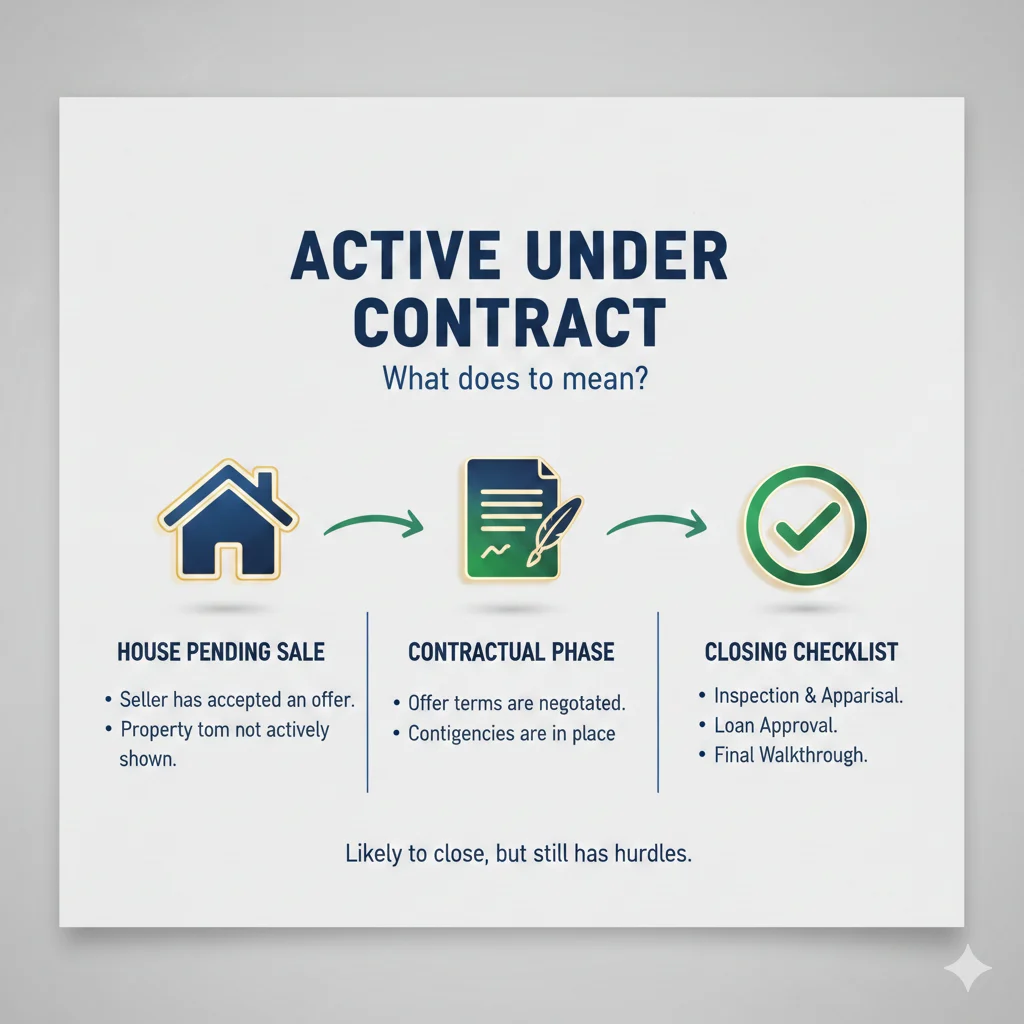
The term active under contract is primarily used in real estate to describe the status of a property that has an accepted offer but still remains “active” in the listing system. In simple terms, the property is under a binding agreement between the seller and buyer, yet certain contingencies or conditions may need to be fulfilled before the sale is finalized.
In most real estate systems, “active under contract” indicates that while an offer exists, the transaction has not yet closed, and the seller might still accept backup offers depending on local rules. This differs from “pending,” which usually means all contingencies have been satisfied, and the sale is moving toward completion.
The phrase is often used in MLS (Multiple Listing Services) and online property portals. Sellers and agents use it to signal to prospective buyers that a property is still technically available for backup offers, but it’s not fully on the open market.
In broader usage, outside real estate, the term can refer to any agreement or contract that is active and currently in force but may have unresolved conditions or pending actions. For example, in employment, a contractor may be “active under contract” to indicate they are currently engaged but still subject to contract terms.
Background
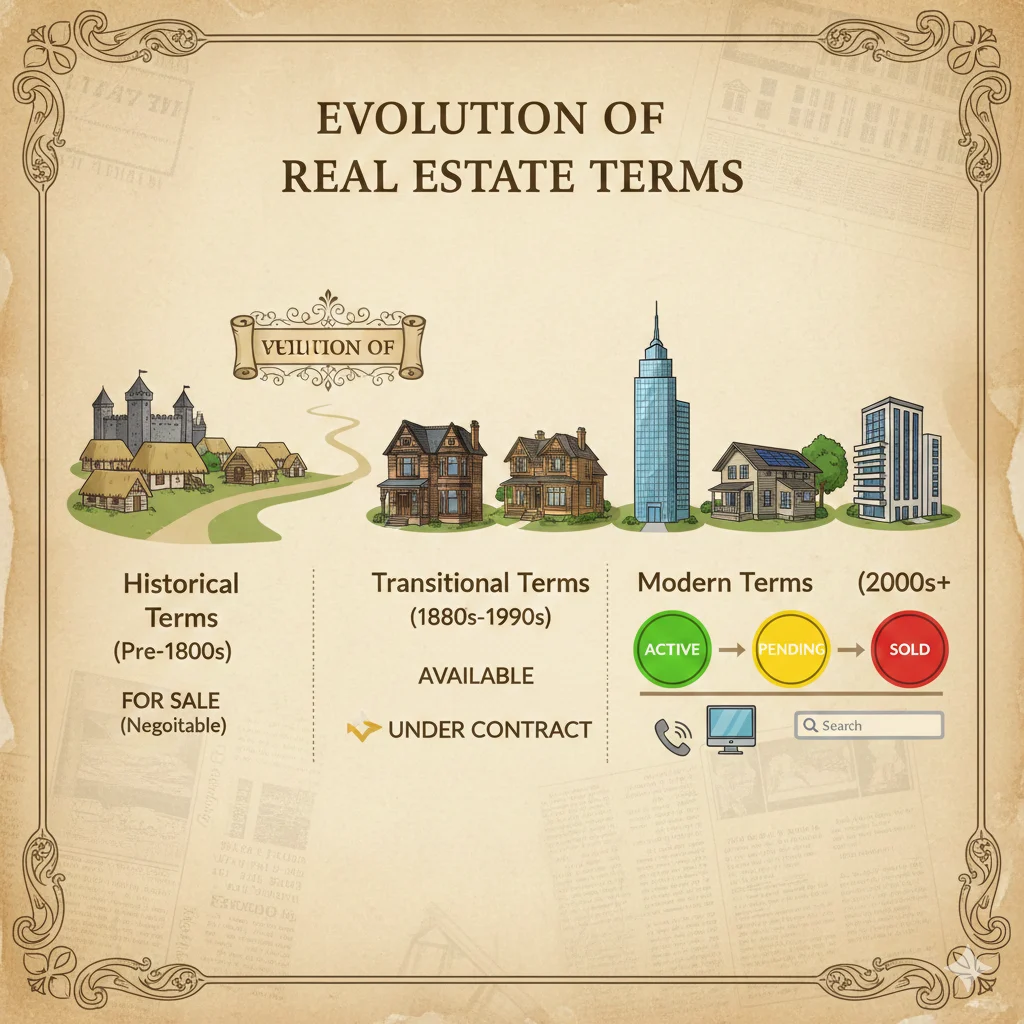
The phrase active under contract emerged from the need to clearly communicate transaction status in real estate and professional fields. Real estate agents wanted a standardized way to indicate that a property has an offer but hasn’t fully closed, helping to manage buyer expectations.
Historically, listings would either show as “available” or “sold,” creating confusion when a property had an accepted offer but was still technically on the market due to contingencies like inspections, financing, or appraisals. By introducing “active under contract,” the industry created a middle ground that signals partial availability.
The term has since spread beyond real estate into employment, digital marketplaces, and even contract-based professional agreements. In online marketplaces and job boards, “active under contract” can signal that someone is engaged in an agreement but still open for negotiations or secondary arrangements, maintaining transparency while the contract is active.
Its continued use demonstrates how industries borrow terminology to communicate status clearly and reduce misunderstandings.
Usage in Different Contexts

Chat, Social Media, Professional Fields
In online chat or social media, someone might say, “I’m active under contract,” to indicate that they are currently committed to an agreement—whether freelance, professional, or even collaborative projects—but not fully unavailable. On professional platforms like LinkedIn, it can signal that a person is engaged in a contract-based role.
WhatsApp, Instagram, TikTok
On messaging and social apps, the phrase may appear as a status update or in profile descriptions. For example, freelancers or influencers might note they are “active under contract” to indicate ongoing collaborations, sponsored content, or booked periods. In TikTok, you may see creators stating it to manage inquiries about sponsorships or partnerships.
Physics, Medical, and Aircraft Terminology
Interestingly, while primarily used in legal and professional contexts, the words individually can have other meanings. In physics, “active” can describe ongoing processes, while “contract” can imply shortening or tension. In medical terms, muscles or tissues may “contract,” and “active” can indicate functional states. In aircraft maintenance or aviation contracts, “active under contract” refers to equipment or personnel currently engaged under an operational agreement.
Common Misconceptions
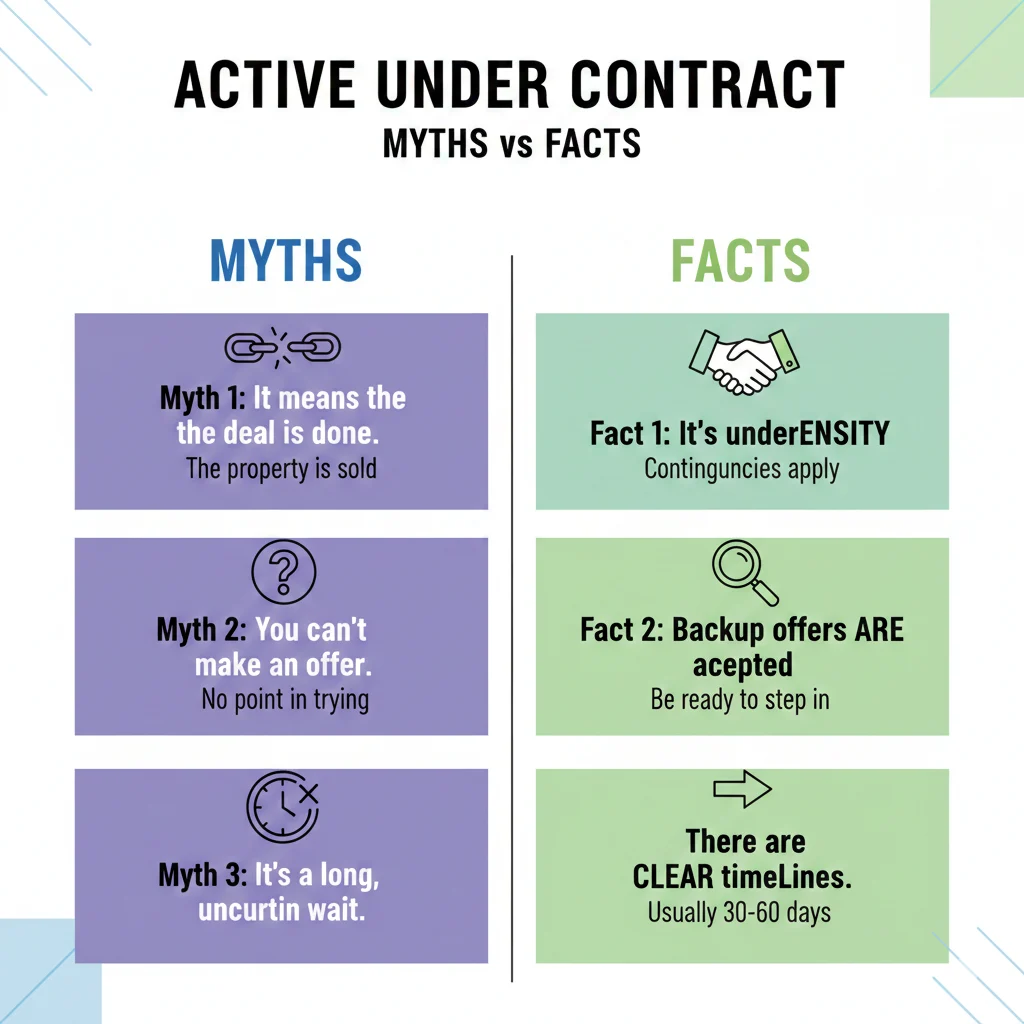
Many people confuse active under contract with being “sold” or “fully unavailable.” In real estate, the key misconception is that the property cannot accept any backup offers. In reality, many listings remain open for secondary offers until contingencies are satisfied.
Another common misunderstanding is in employment or freelance contexts. Being “active under contract” does not always mean exclusivity. Depending on contract terms, one may still take on additional projects.
Some also assume the term is temporary, but it remains valid until the contract is fulfilled, terminated, or closed. Clarifying the exact implications in context is essential to avoid mistakes.
Similar Terms & Alternatives
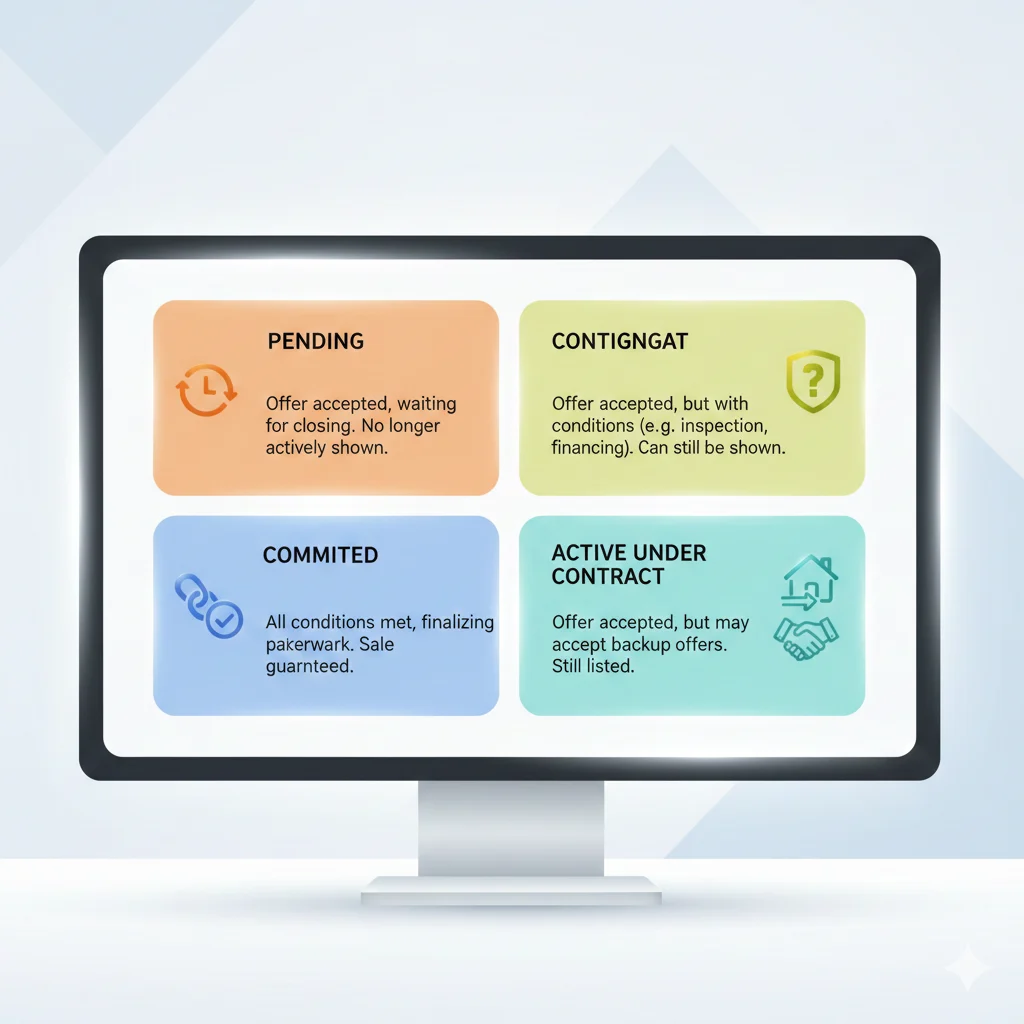
- Pending: Transaction is moving toward completion with all contingencies satisfied.
- Under Contract: Similar to active under contract, but without MLS visibility for backup offers.
- Contingent: Subject to conditions that must be met before the deal proceeds.
- Committed: Indicates full engagement, often used in professional or freelance settings.
These alternatives may overlap but differ slightly depending on industry or platform.
How to Respond to It

If you encounter someone or something labeled as active under contract, the response depends on context:
- Real Estate: Recognize that backup offers may still be accepted. Contact the agent for clarification.
- Professional/Employment: Respect current commitments; inquire if secondary or future engagements are possible.
- Social/Influencer Context: Acknowledge ongoing partnerships or collaborations; avoid assuming full availability.
Clear communication is key to prevent misunderstandings.
Differences from Similar Words
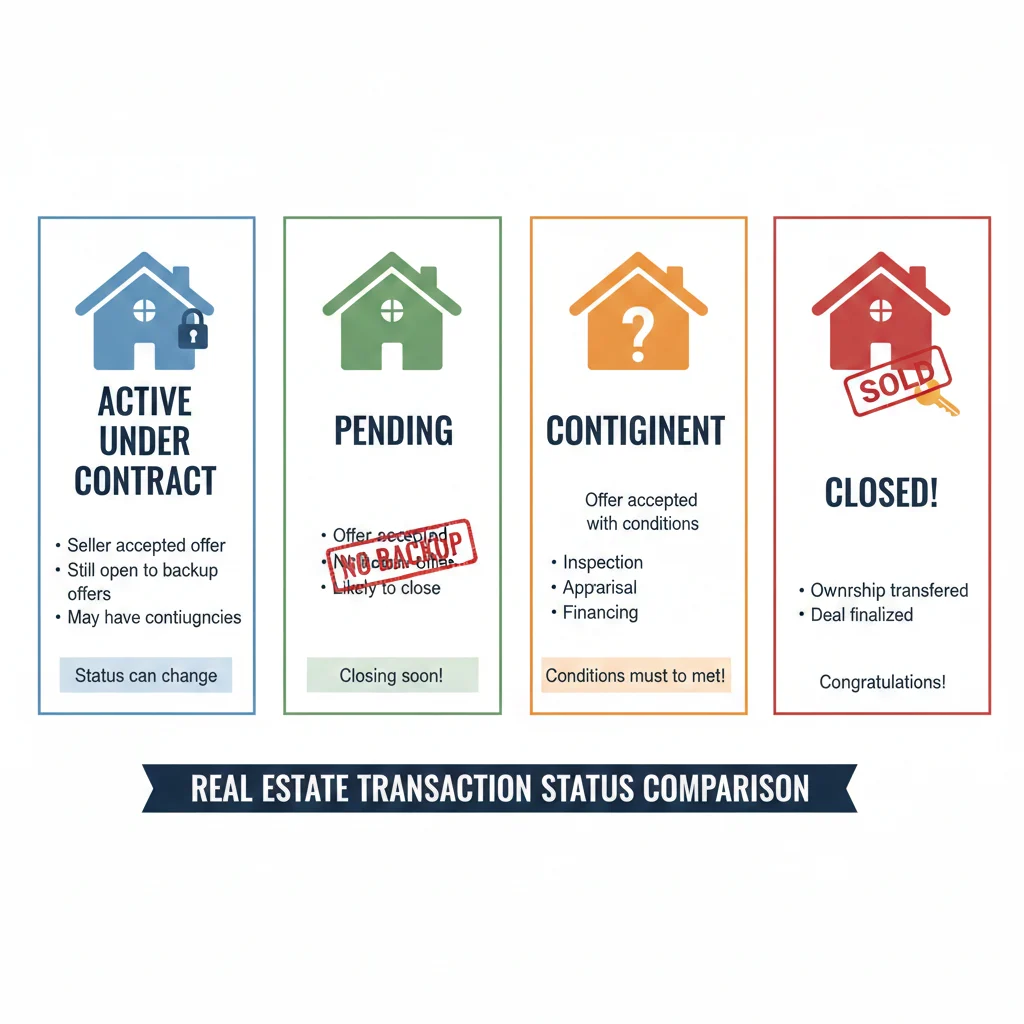
- Active under contract vs. Pending: Active under contract may accept backup offers; pending usually does not.
- Active under contract vs. Contingent: Contingent emphasizes unmet conditions; active under contract emphasizes ongoing agreement.
- Active under contract vs. Sold/Completed: Sold or completed means final; active under contract is in progress.
These distinctions help clarify intent in listings, job roles, and digital platforms.
Relevance in Online Conversations & Dating Apps
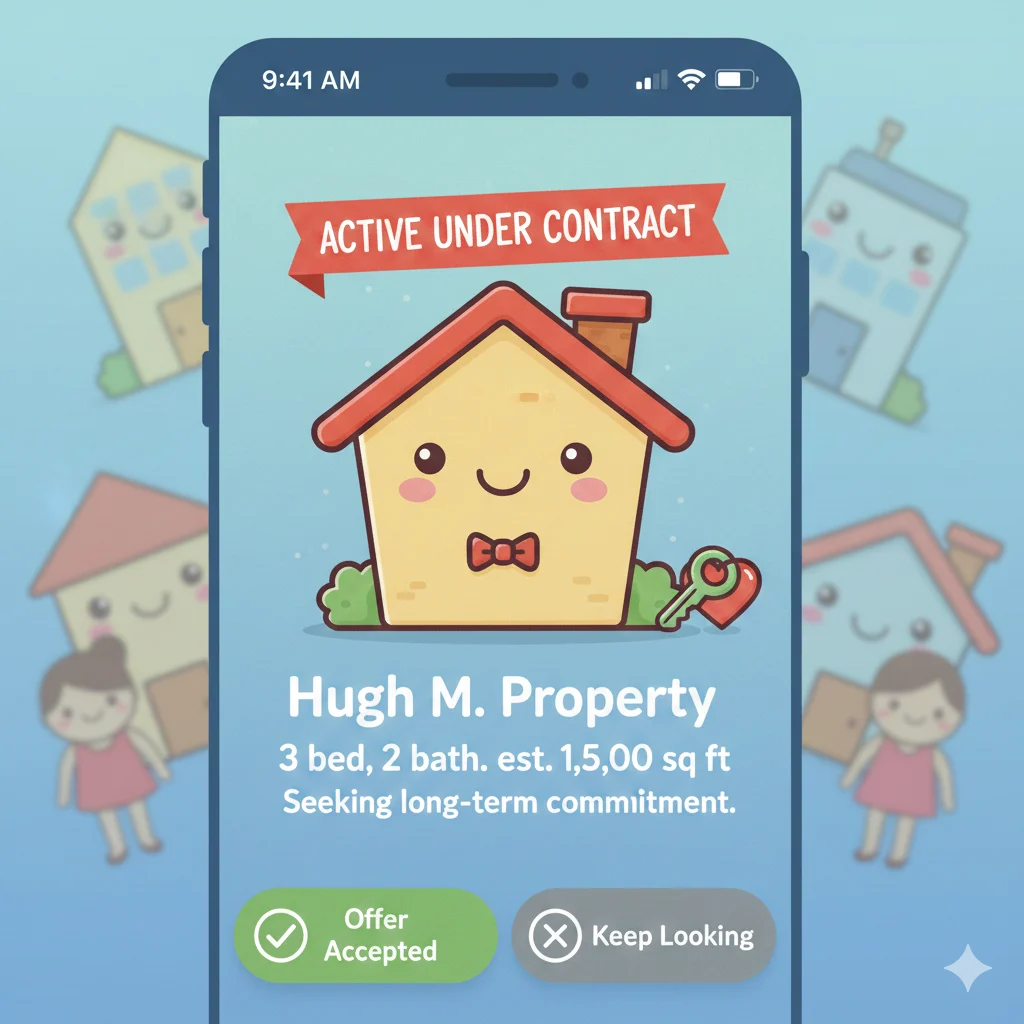
Interestingly, “active under contract” can appear in online dating or social apps to indicate engagement or commitment in a playful or professional context. Someone might use it to humorously signal they are “taken” or otherwise committed.
In chat platforms and professional networking apps, the phrase communicates reliability, current engagement, or contractual status. It also helps manage expectations—whether in collaborations, projects, or dating—by clearly signaling availability and commitment.
FAQs
Q1: What does active under contract mean?
A: It means a property or agreement has an accepted offer but hasn’t fully closed. Conditions or contingencies may still need to be met.
Q2: Is active under contract the same as pending?
A: Not exactly. Pending usually indicates all contingencies are satisfied, while active under contract may still allow backup offers.
Q3: Can a property labeled active under contract still be purchased?
A: Sometimes. Some listings accept backup offers depending on the agent and local rules.
Q4: Is active under contract only used in real estate?
A: No. It can also appear in professional contracts, freelancing agreements, and online collaborations.
Q5: How should I respond if someone says they are active under contract?
A: Respect the commitment and check if additional opportunities or backup options are allowed.
Q6: Does it indicate exclusivity?
A: Not always. The exact terms depend on the contract or agreement.
Conclusion
Active under contract is a versatile phrase that primarily indicates ongoing commitments or agreements while signaling that certain conditions or contingencies may still be pending. Originally popularized in real estate to clarify property status, it has since found relevance in professional, social media, and even digital communication contexts. Understanding its meaning ensures that buyers, sellers, employers, freelancers, and online users interpret engagements correctly, avoiding confusion or miscommunication.
The phrase emphasizes transparency, showing that while an agreement is in place, additional steps may remain before finalization. Whether in property listings, professional contracts, or online interactions, recognizing the nuances of active under contract helps people respond appropriately, manage expectations, and communicate clearly. By understanding this term, you can confidently navigate real estate transactions, professional commitments, and online conversations without uncertainty.


![Spiritual Meaning of Seeing a [Berserker Symbol Meaning] 2025](https://symbolystic.com/wp-content/uploads/2025/11/berserker-symbol-meaning-400x225.webp)