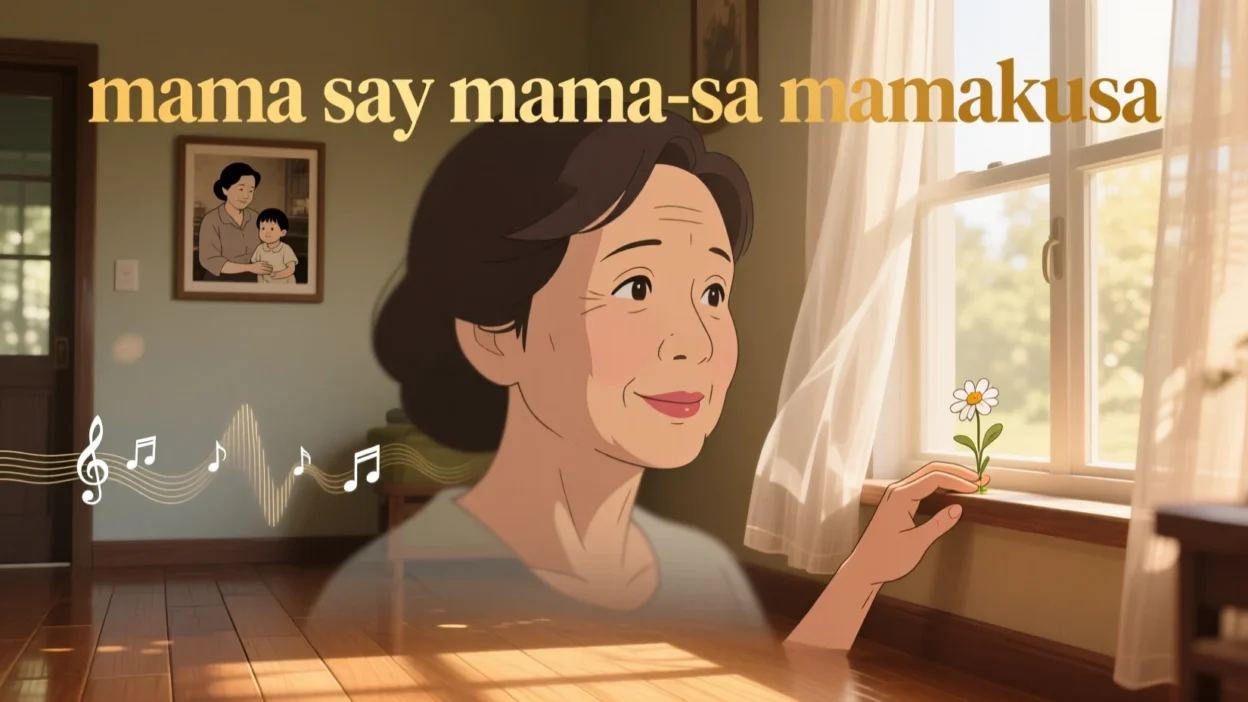
You’ve probably heard the phrase “Mama say mama-sa mamakusa” in famous hits by Michael Jackson or Rihanna, and wondered — what does it actually mean? This rhythmic line has puzzled millions of listeners for decades.
The truth is, it’s not random gibberish. The phrase has deep African roots, connecting pop music to Cameroonian culture through a unique blend of rhythm and language. Understanding this phrase not only uncovers its linguistic beauty but also shows how African music shaped global pop culture.
Whether you saw it in memes, social media captions, or song debates, this expression carries real meaning and history. Let’s explore where it came from, what it truly means, and how it continues to inspire artists worldwide.
🪘 Definition & Meaning
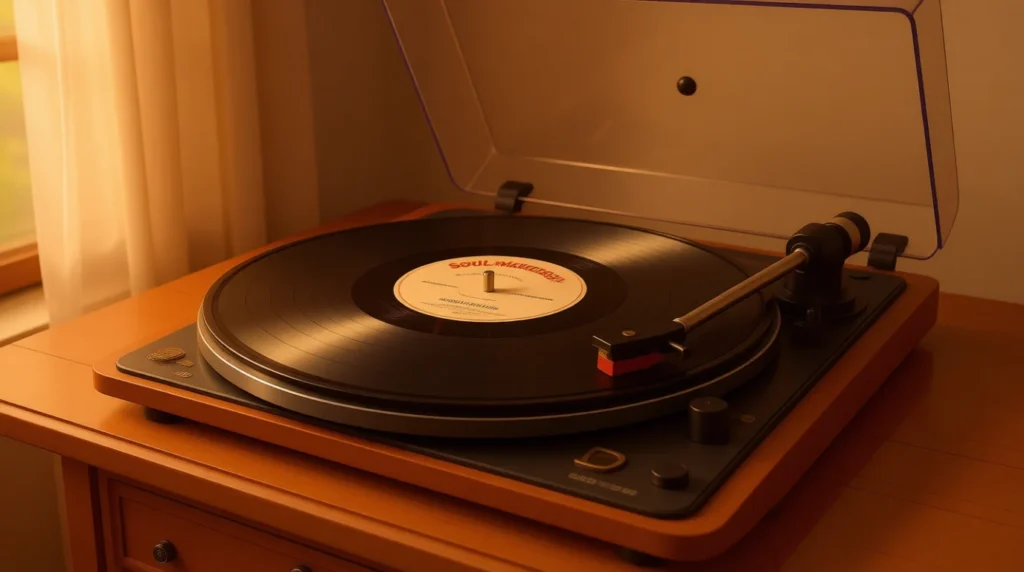
The phrase “Mama say mama-sa mamakusa” comes from a Cameroonian expression in Duala, a language spoken in Central Africa. Its original form — “mamako, mamasa, makomakosa” — appeared in Manu Dibango’s 1972 hit “Soul Makossa.”
🎵 Simplified Meaning:
It loosely translates to “I dance the Makossa” or “Dance to the Makossa rhythm.”
The word “Makossa” means “dance” in Duala, referring to a lively dance style and music genre from Cameroon.
Example (in dialogue):
- 🧍♂️ “Hey, what’s that line in MJ’s song?”
- 💃 “It’s an African phrase — it means ‘dance the Makossa!’”
When Michael Jackson used the chant in “Wanna Be Startin’ Somethin’” (1982), he unknowingly borrowed from Dibango’s track. Later, Rihanna also used it in “Don’t Stop the Music” (2007) — with legal credit given to Dibango.
So, it’s not just a catchy line — it’s a celebration of African rhythm that found its way into global pop hits.
🕰️ Background & History
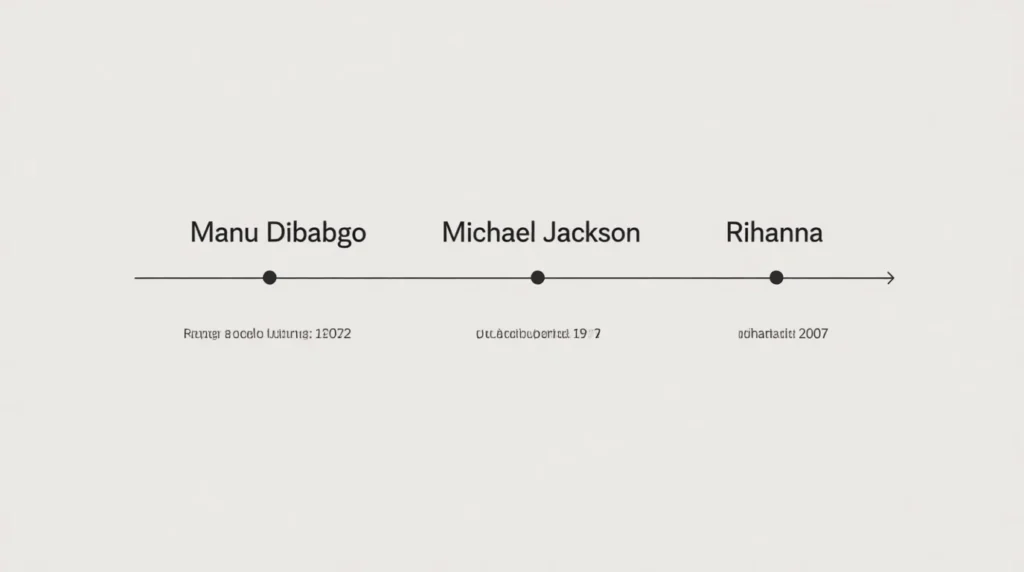
The origin of the phrase traces back to Manu Dibango, a Cameroonian saxophonist who combined jazz, funk, and traditional African rhythms to create Makossa music.
His song “Soul Makossa” became one of the first African songs to break into Western charts — influencing artists like Jackson and Rihanna decades later.
When Michael Jackson heard the chant, he adapted it into “Mama say mama-sa mamakusa” for “Wanna Be Startin’ Somethin’.” This version spread worldwide, though the pronunciation slightly changed from the original Duala lyrics.
Later, Rihanna sampled Jackson’s version for her hit “Don’t Stop the Music.” The line’s journey from Cameroon to global pop showcases how African creativity continues to shape modern music.
Today, the phrase is recognized as a symbol of cross-cultural fusion — where African beats meet global rhythm.
💬 Usage in Pop Culture & Social Media
In modern contexts, “Mama say mama-sa mamakusa” often appears in memes, TikTok captions, and Instagram reels as a fun, mysterious lyric.
People use it humorously when they don’t know what to say — almost like a playful filler phrase. For example:
- “When life makes no sense: mama say mama-sa mamakusa 😂”
- “Feeling the vibes today — mamakusa mode on! 💃”
In music discussions, it’s a shorthand for confusing but catchy lyrics.
In gaming or chat, it’s used jokingly to show rhythm or hype:
- “Bro’s in full mamakusa mode right now!”
Its enduring popularity shows how a simple African phrase has become a global soundbite — bridging cultures through rhythm and fun.
⚡ Common Misconceptions
Many believe “Mama say mama-sa mamakusa” is just random sounds, but it has real linguistic meaning.
❌ Myth 1: It’s nonsense.
✅ Fact: It’s from the Duala language — meaning “Dance to the Makossa.”
❌ Myth 2: Michael Jackson invented it.
✅ Fact: It originated from Manu Dibango’s “Soul Makossa” (1972).
❌ Myth 3: It’s offensive or ritualistic.
✅ Fact: It’s celebratory — connected to joy and dance, not religion or offense.
Understanding this clears up decades of confusion and highlights how African art inspired pop culture’s biggest icons.
🔁 Similar Terms & Alternatives
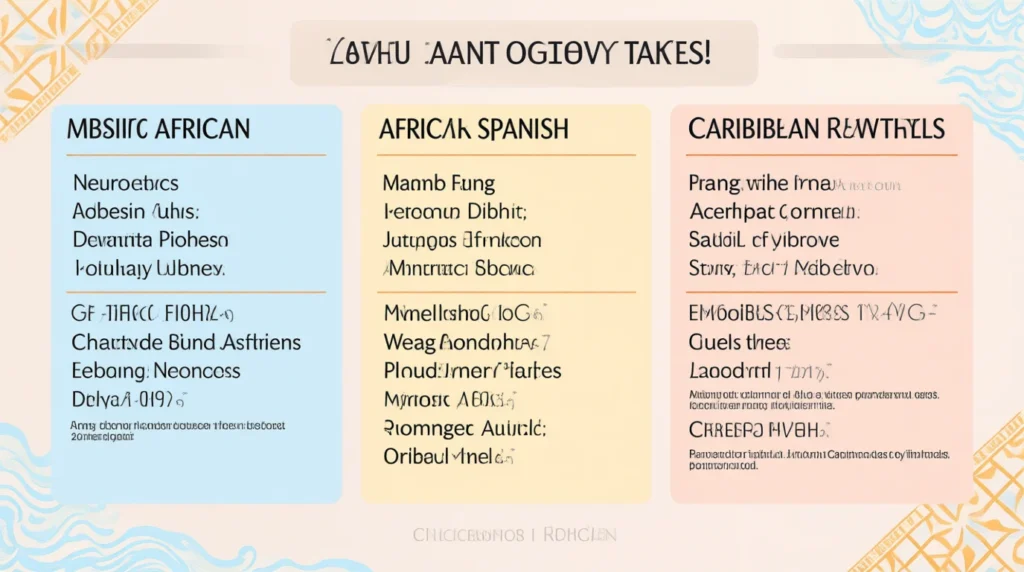
| Phrase | Origin | Meaning |
|---|---|---|
| Makossa | Cameroon | Dance / rhythm |
| Hakuna Matata | Swahili | No worries |
| Ayy Macarena | Spanish | Celebration phrase |
| Bam Bam | Caribbean slang | Rhythmic chant |
These are cross-cultural expressions that, like mamakusa, became globally recognizable through music. They show how rhythm transcends language.
💡 How to Respond to This Term
If someone quotes “Mama say mama-sa mamakusa” in chat or social media, here’s how you can reply:
🎵 Casual:
“Haha classic MJ vibes!”
😂 Funny:
“You just unlocked my 80s playlist!”
🧠 Informative:
“Did you know that’s actually from an African song called Soul Makossa?”
🎤 Creative:
“Let’s makossa our way through the week!”
This keeps the tone friendly and adds personality while honoring the phrase’s musical roots.
❓ FAQs
1. What does “Mama say mama-sa mamakusa” mean?
It means “Dance to the Makossa,” derived from the Duala language in Cameroon.
2. Who originally said it?
Cameroonian musician Manu Dibango in his 1972 hit Soul Makossa.
3. Did Michael Jackson invent it?
No. He popularized it but later credited Dibango for the original inspiration.
4. Is it African?
Yes — specifically from Cameroon’s Duala culture.
5. Does it have hidden or offensive meanings?
No, it’s purely celebratory and about dance.
6. Why did Rihanna use it too?
Rihanna sampled Michael Jackson’s version for Don’t Stop the Music, connecting modern pop to its African roots.
🏁 Conclusion
The phrase “Mama say mama-sa mamakusa” is far more than a catchy lyric it’s a cultural bridge between Africa and global music.
Originating from Manu Dibango’s Soul Makossa, it traveled through Michael Jackson to Rihanna, proving that rhythm knows no borders.
So the next time you hear it, remember — it’s not just a song lyric. It’s a celebration of African creativity, dance, and the universal language of music.